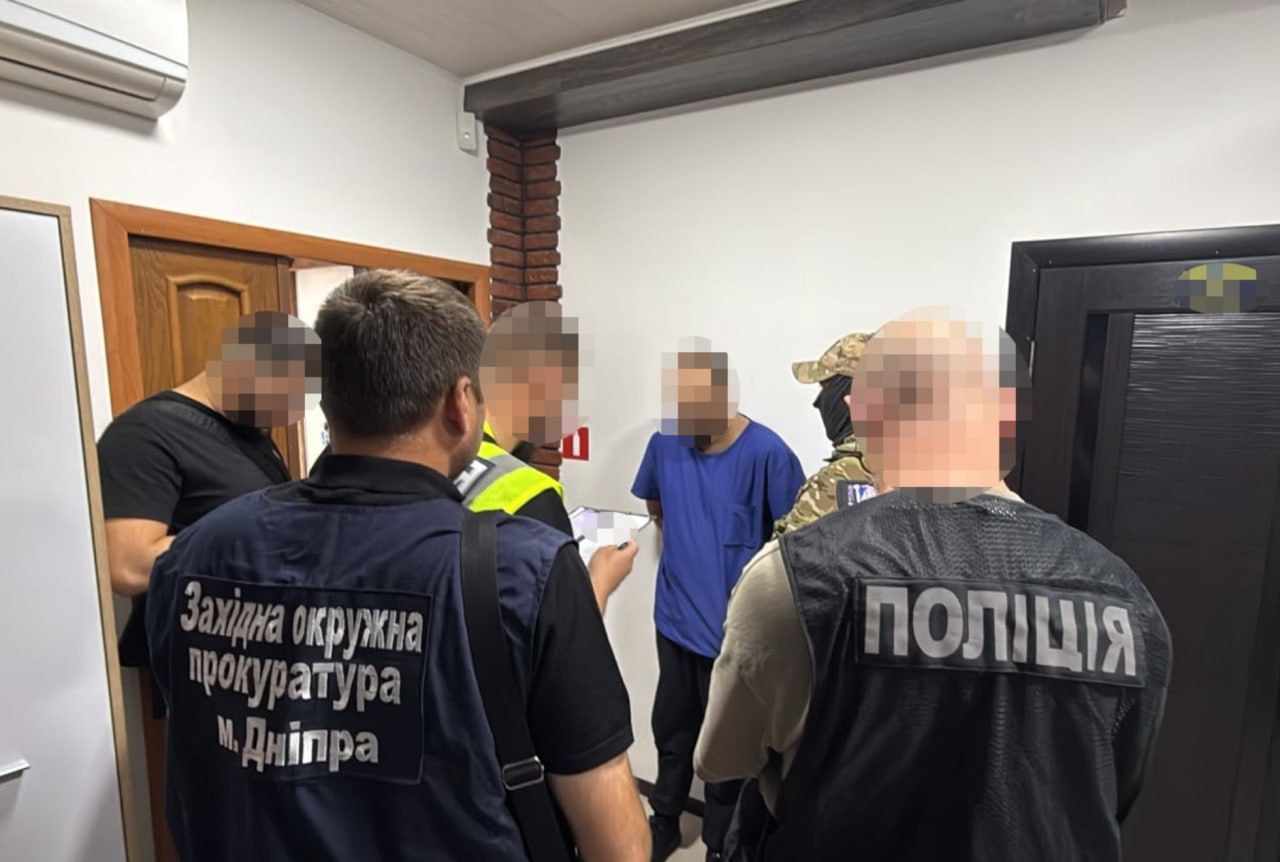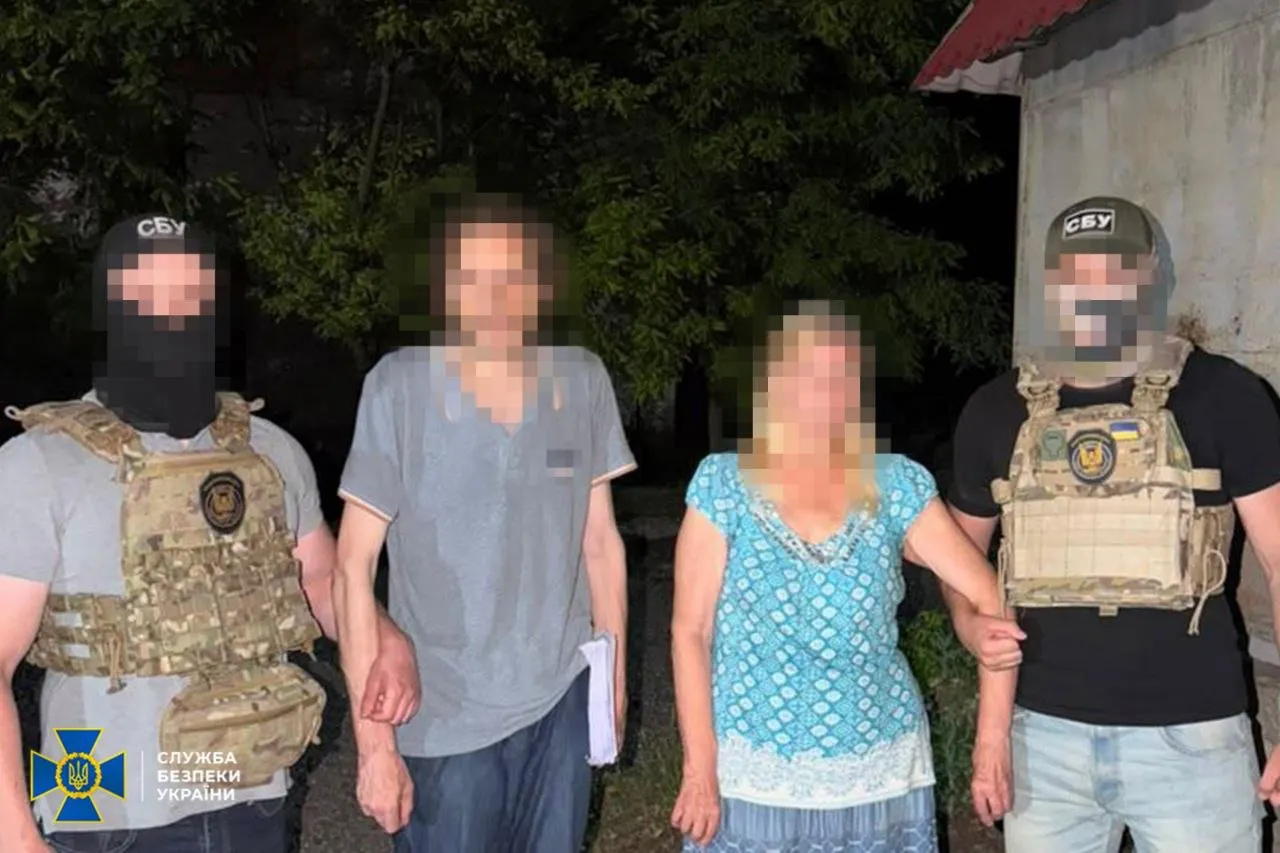

Vadym, a resident of Dnipro, has been convicted of treason: according to the case materials, he, together with an accomplice, collected photos and videos of a critical gas infrastructure facility in the city, and sent the received materials via Telegram to a representative of Russia. The court qualified these actions as treason.
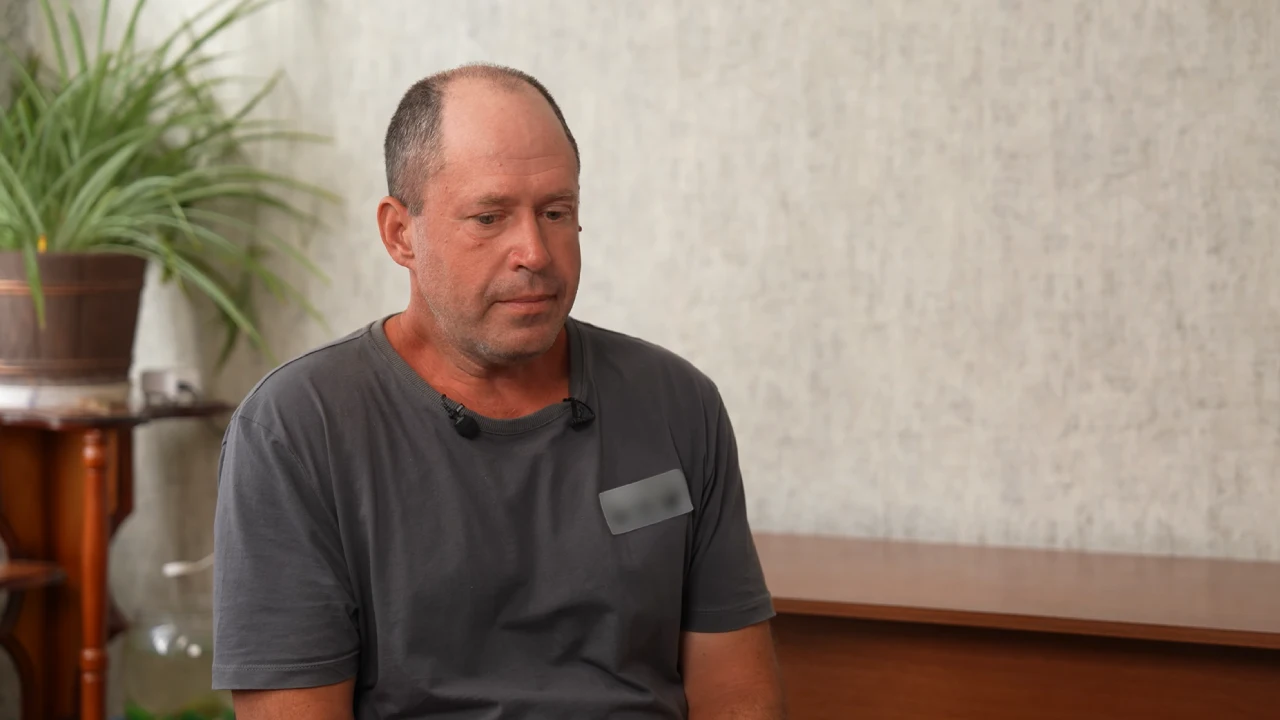
After the verdict, Vadym not only did not admit guilt but also publicly declared his readiness to repeat what he had done. In an interview with Ramina Eskhakzai, the convict stated that he absolutely did not regret his actions and was ready to do the same again, even knowing about the punishment. According to him, he was guided by his own convictions, not by material interest.
Currently, Vadym has posted his profile on the "I want to be with my own" website and has given consent for an exchange – he wants to go to Russia.
Expert: ideology in such cases is rather an exception
Andriy Halay, head of the research center of the Penitentiary Academy of Ukraine, commented on the convict's statements and explained what usually guides people who cooperate with the aggressor.
According to Halay, the ideological component in such crimes is rare – the vast majority of people either deceive others or deceive themselves. The true motivation, as a rule, is different: Halay noted that no one wants to openly admit to cynical assistance in the murders of fellow citizens and military personnel on camera, so in the absolute majority of cases, mercenary interest prevails.
Vadym's case is one example of how some of those convicted of cooperating with Russia continue to publicly justify their actions even after the verdict has come into force.