
Two water supply restoration projects in Dnipropetrovsk region are nearing completion. The Restoration Agency is building new infrastructure for communities affected by the destruction of the Kakhovka HPP in 2023: at that time, many settlements in the region lost a reliable source of drinking water. Work began in 2025, and both facilities are now in the final stage.
First community: station almost ready
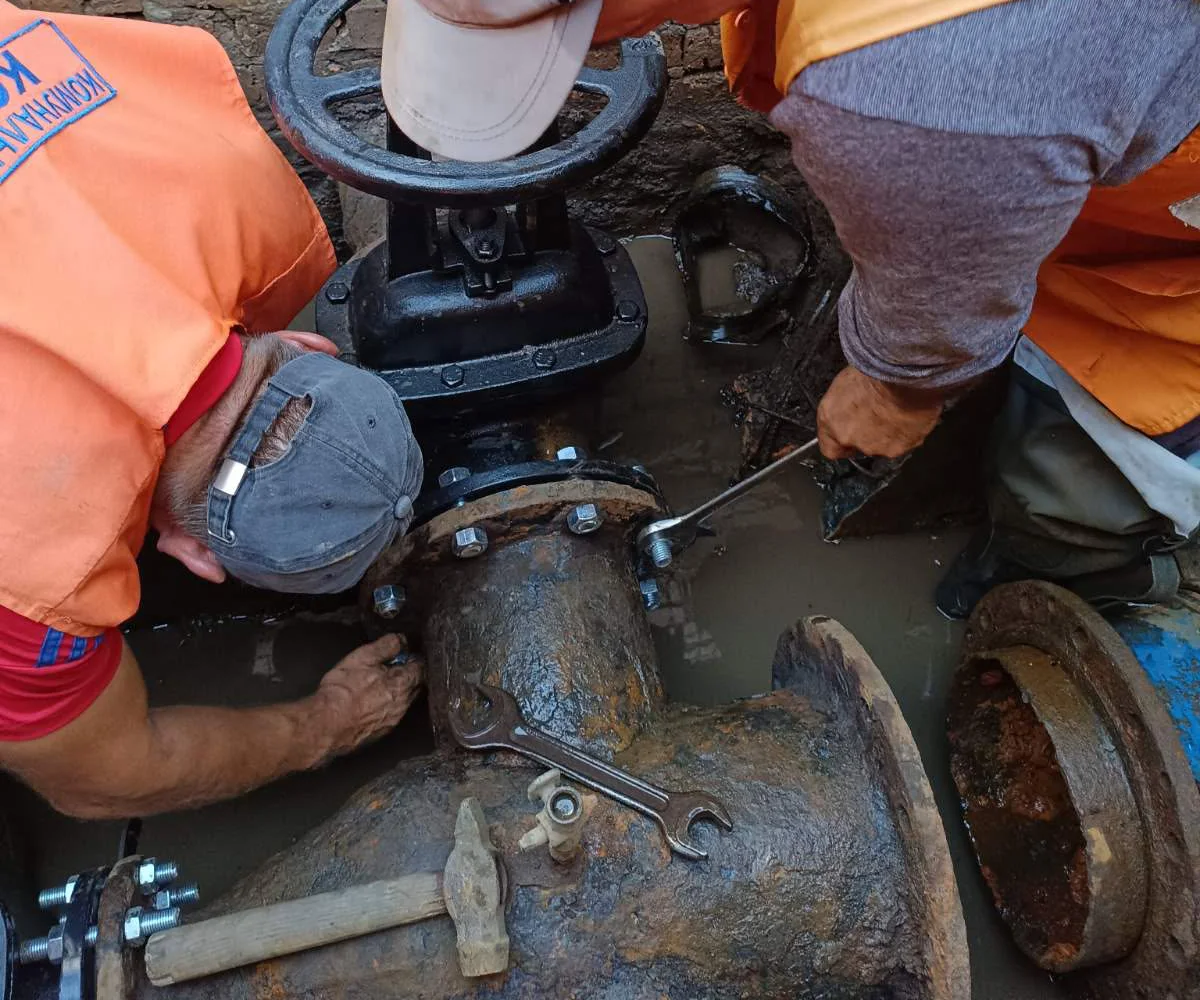
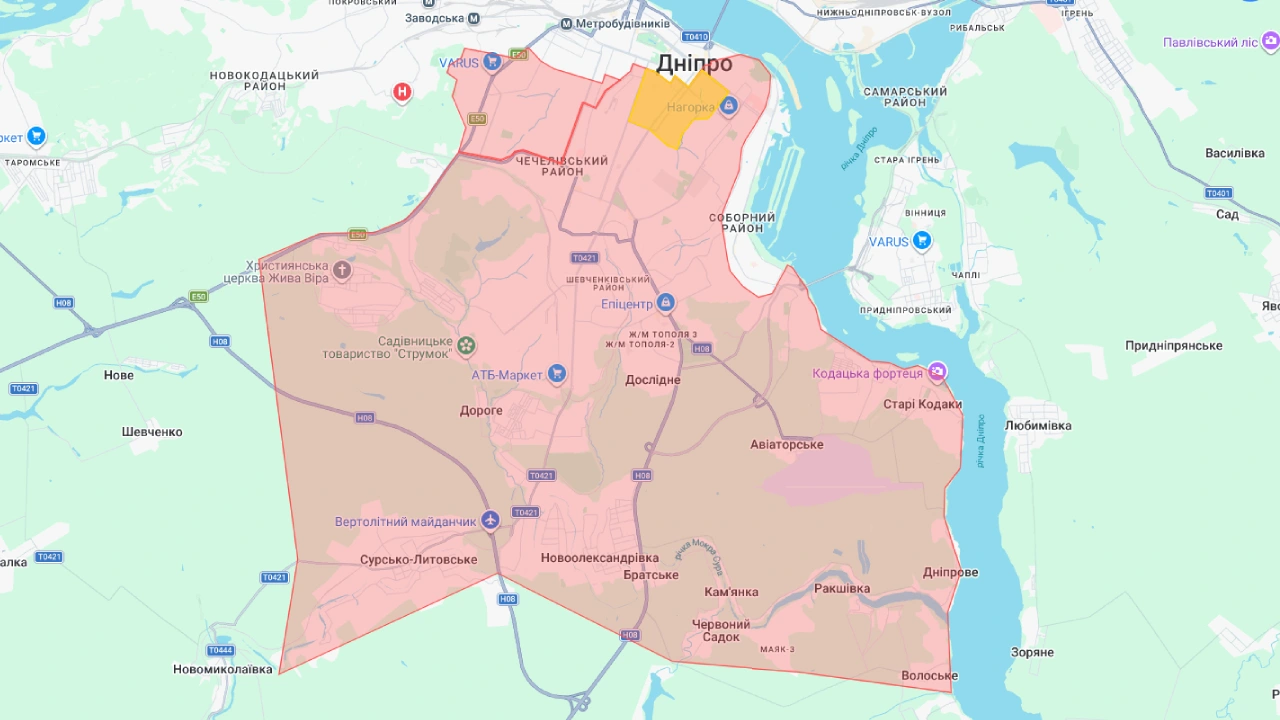
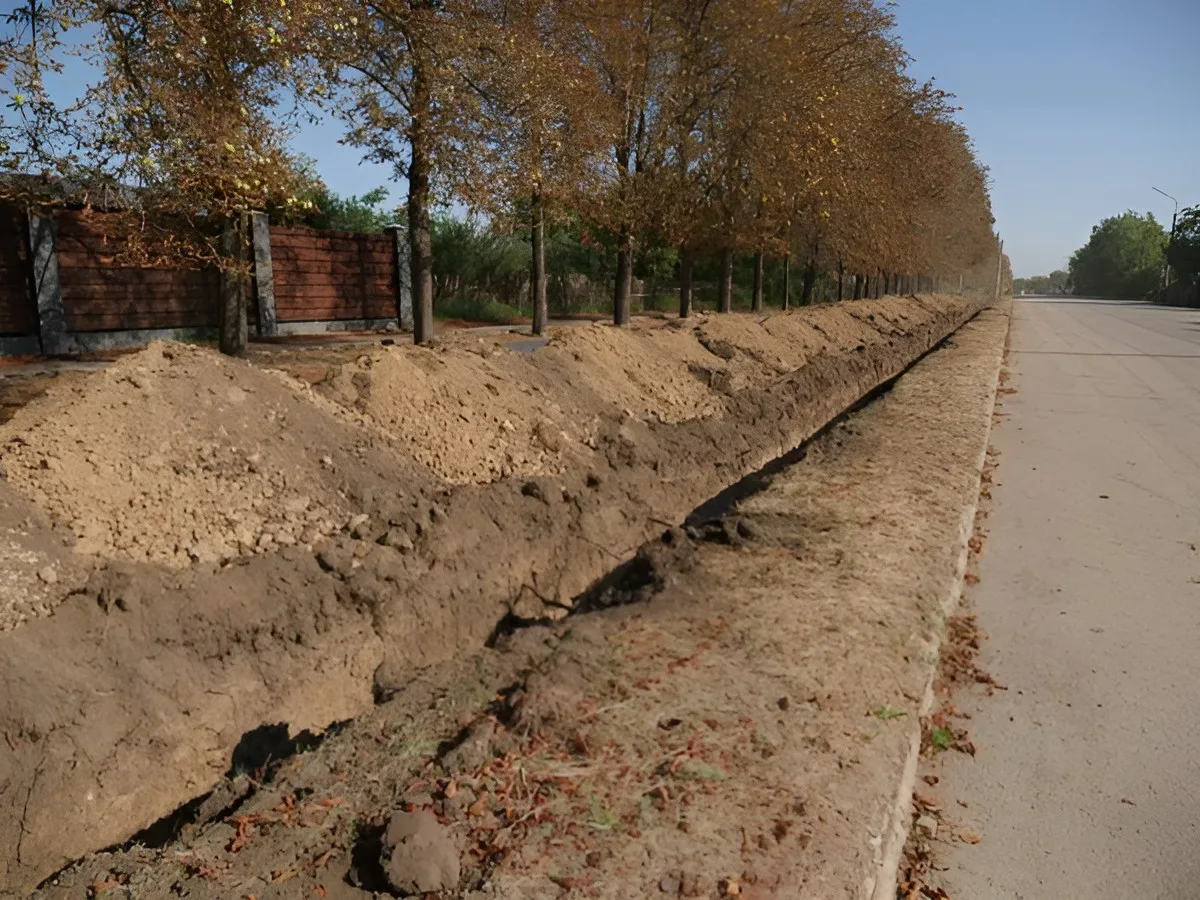
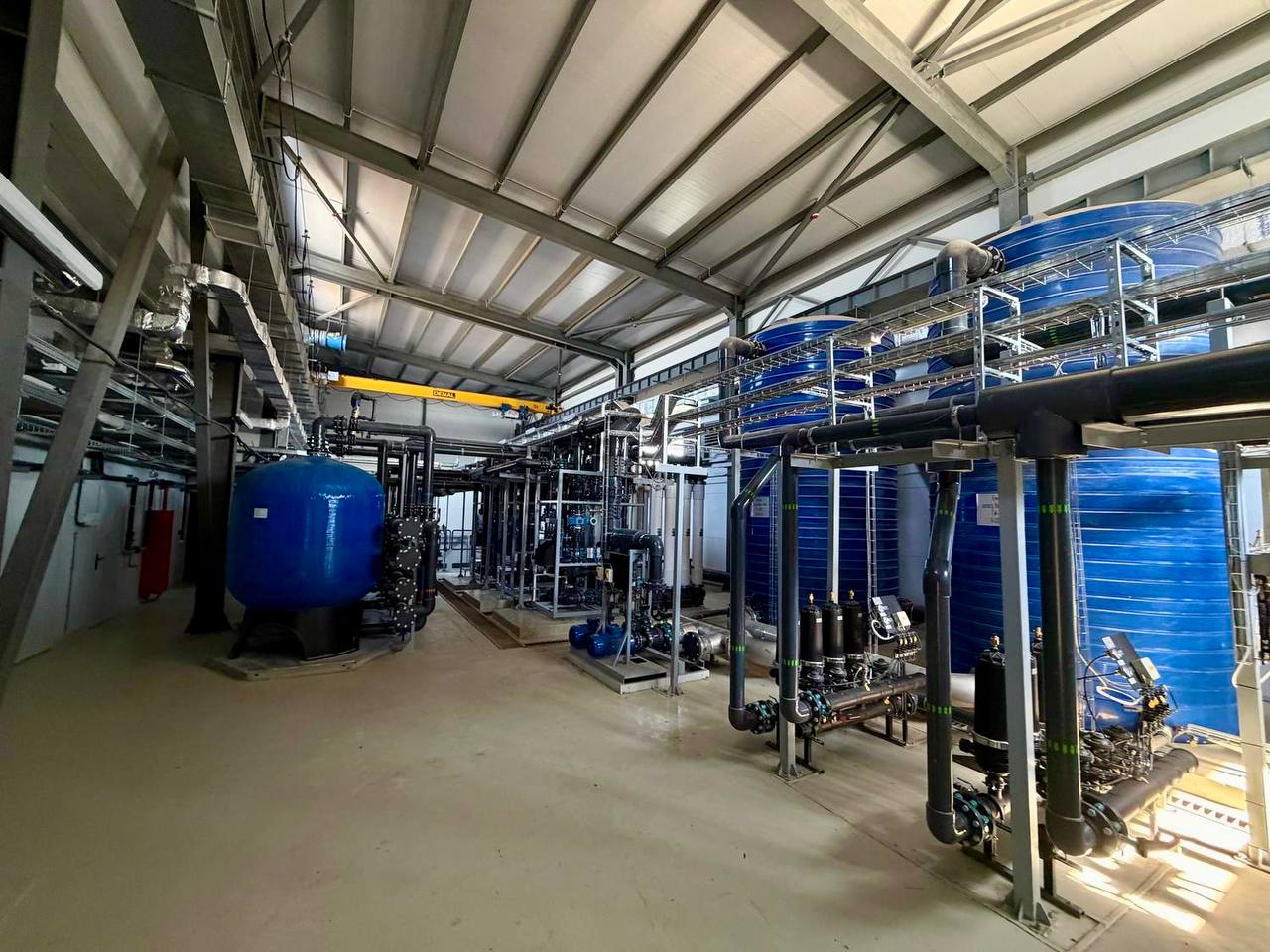
In a community of about 18,000 residents, uniting 35 settlements, 8.8 kilometers of water supply pipeline and almost 2 kilometers of external sewerage networks are being laid. The central object is a pumping and filtering station with a capacity of 1,500 cubic meters per day – in the future, it can be expanded to 3,000 cubic meters per day.
The station's readiness has reached 99%. Access roads have already been built on the site, asphalt has been laid on the facility's territory, the installation of a clean water reservoir has been completed, and pipelines and sewerage networks have been laid. Commissioning works and landscaping of the adjacent area are currently underway.
Second community: final works in full swing
In the second community, where about 11,000 people live and which includes 14 settlements, 1.57 kilometers of water supply pipeline and 5.25 kilometers of external sewerage networks are being installed. Here, a station with a capacity of 1,000 cubic meters per day is being built, with the possibility of increasing it to 3,000 cubic meters per day.
The readiness of this facility is 87%. The old asphalt pavement has already been dismantled, and filtration fields are currently being arranged and the territory is being tidied up. The next steps will be laying new asphalt and laying access roads.
What will change for residents
In total, almost 30,000 people in two communities will receive stable water supply and modern wastewater disposal. It is indicative that in most settlements of these territories, a sewerage system did not exist at all before. The new infrastructure will not only solve the issue of drinking water but also ensure proper wastewater management, which will reduce the burden on the environment and increase the resilience of communities in general.