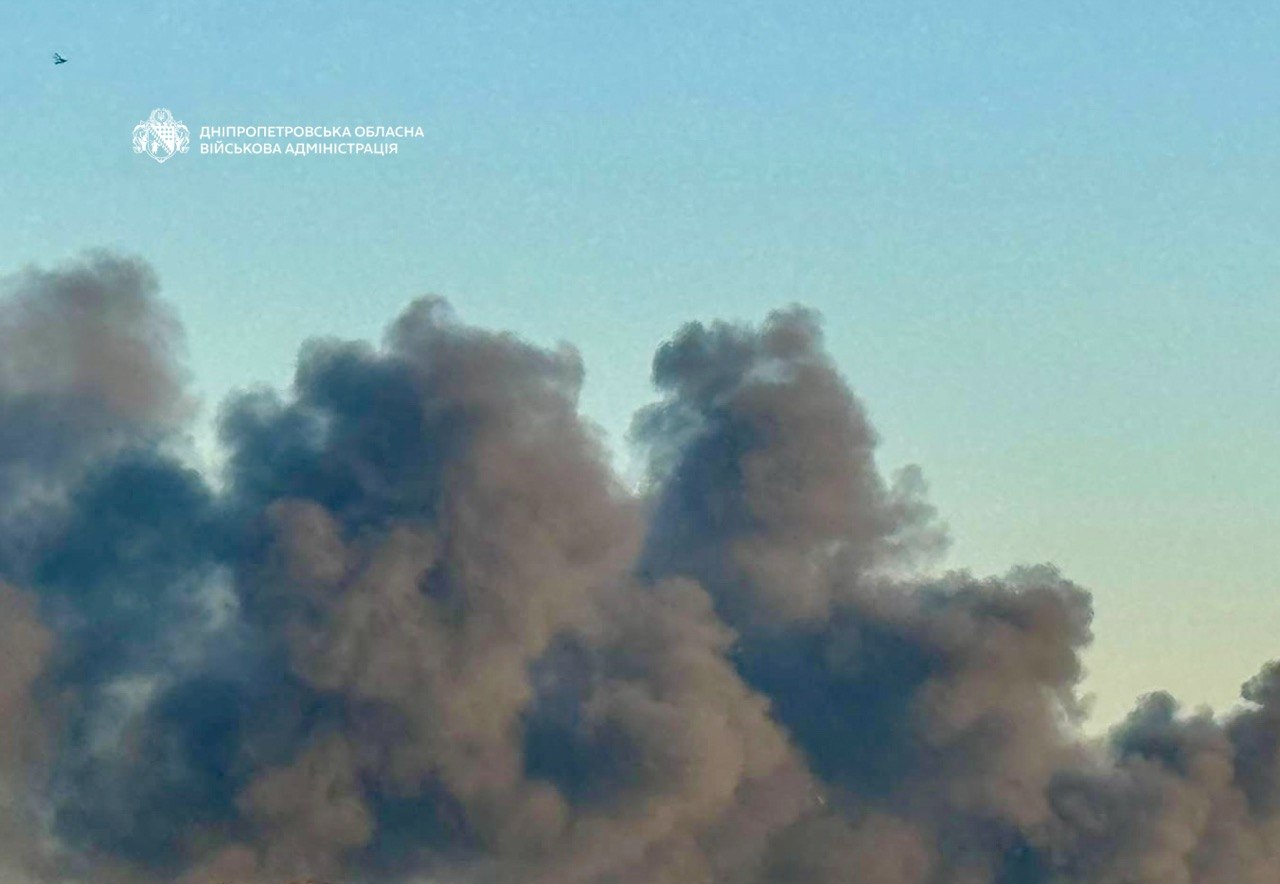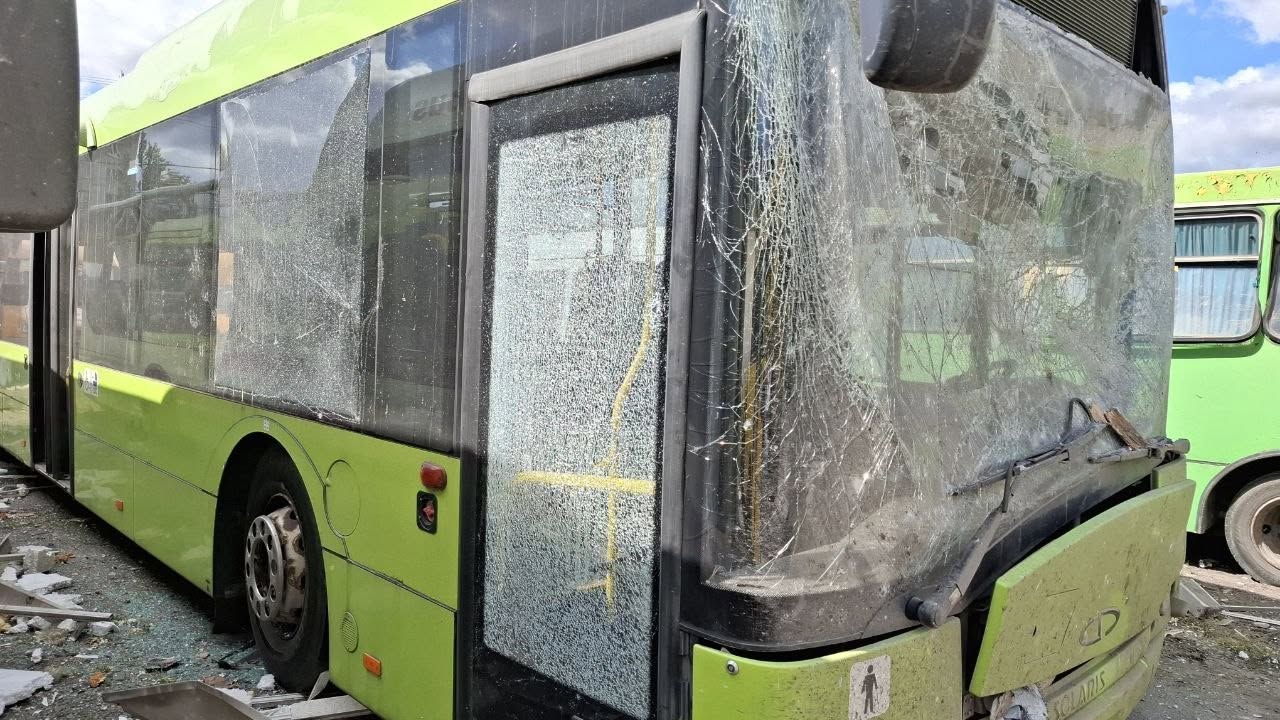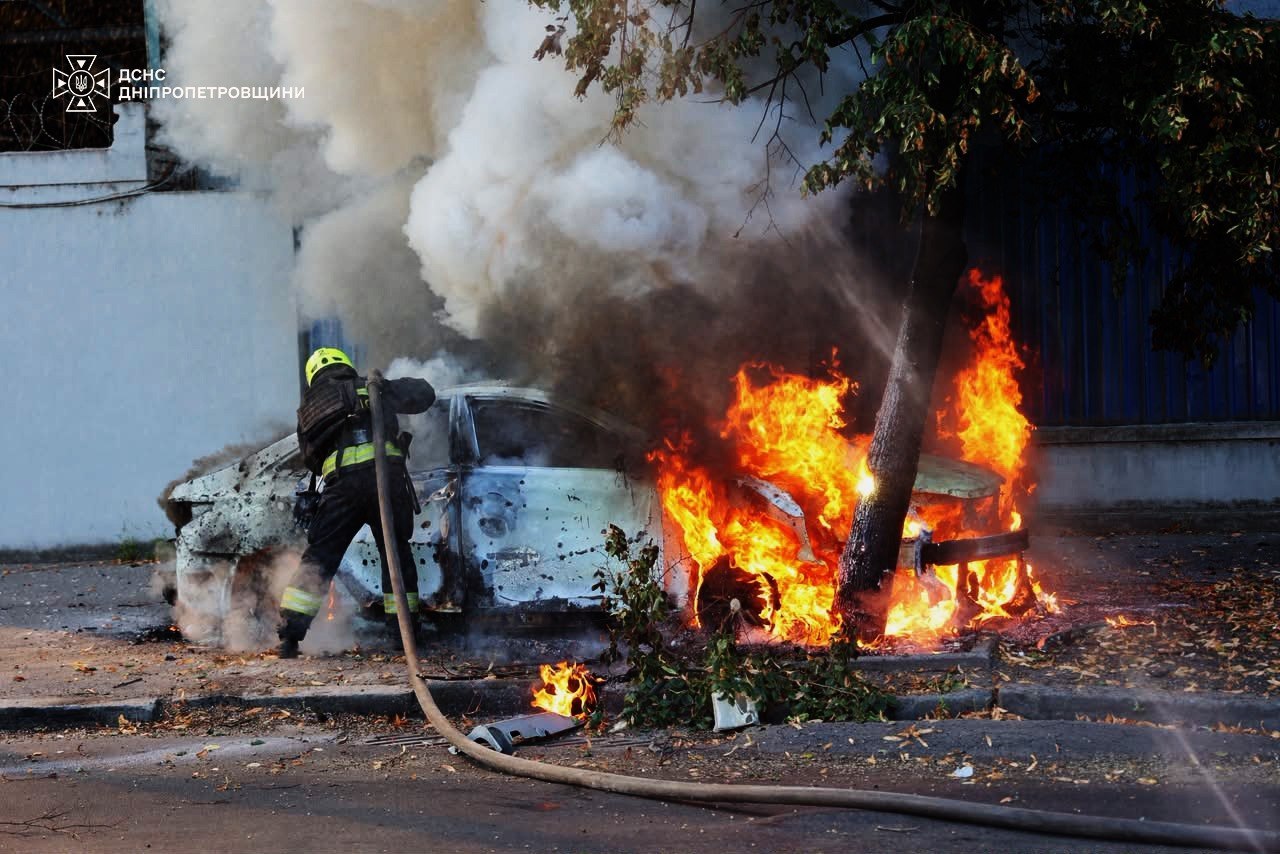

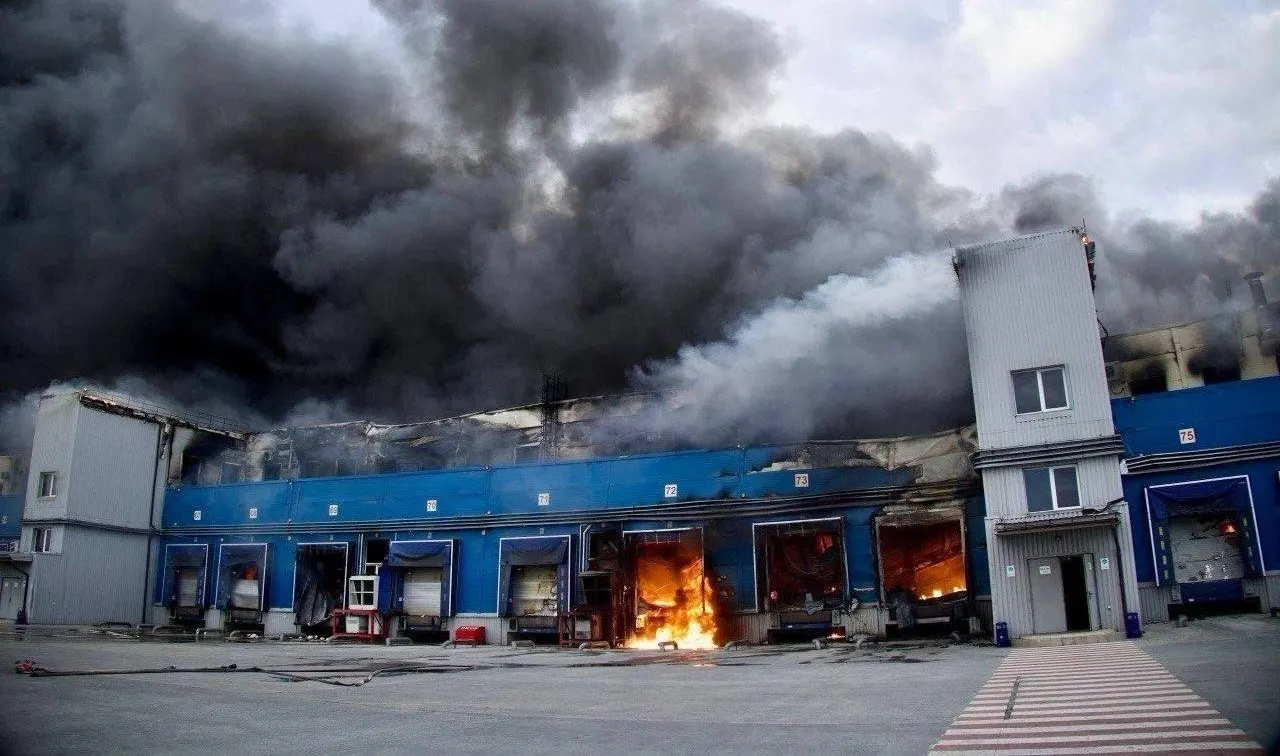
On June 3, Russian troops attacked one of the largest warehouses of the ATB chain in Dnipro. The destroyed facility, an A-class distribution center covering 37.5 thousand square meters, supplied food products to over 300 stores in the Dnipropetrovsk and Zaporizhzhia regions. During the firefighting efforts, Russian troops launched a second strike on a neighboring logistics company, complicating the work of rescuers.
What is reported from within the network
According to sources of the "Telegraf" publication among the network's employees, the situation in some supermarkets in Dnipro looks alarming. Perishable goods were most affected: stores do not keep them in large volumes in their own small warehouses, so disruptions became noticeable immediately.
The recorded problems primarily concern two categories:
Vegetables and fruits: shelves in some markets have practically emptied. Among fruits, mainly apples and lemons remained available, while bananas and other citrus fruits completely disappeared.
Risk group: chicken eggs and sausage products are named as next in line for assortment reduction.
Sources also note that a decrease in supply may provoke a temporary price surge, as cheaper items are sold out first.
ATB's official position
The press service of ATB Corporation confirmed that the scale of losses is colossal, amounting to hundreds of millions of hryvnias. The company's statement emphasizes:
"The deliberate disabling of one of the key elements of the company's logistics infrastructure in eastern and southeastern Ukraine is essentially an attack on critical infrastructure and the country's food supply system," the company states.
At the same time, ATB management officially assured that the situation is under control and will not lead to a prolonged shortage or humanitarian crisis. The company is urgently reallocating supplies through other large distribution centers in neighboring regions. Uninterrupted supply of essential goods to cities and towns, including in frontline regions, is under special control.
Thus, the official position of the network and the testimonies of internal sources diverge: the management insists on the manageability of the situation, while insiders record real gaps on the shelves in the perishable goods category.